Not all bitterness is bad — how cultivar, water temperature, and preparation affect the taste of matcha, and why a good bowl should offer more than just bitterness.
Matcha / Umami / Brewing guide / Japanese green tea / Bitterness
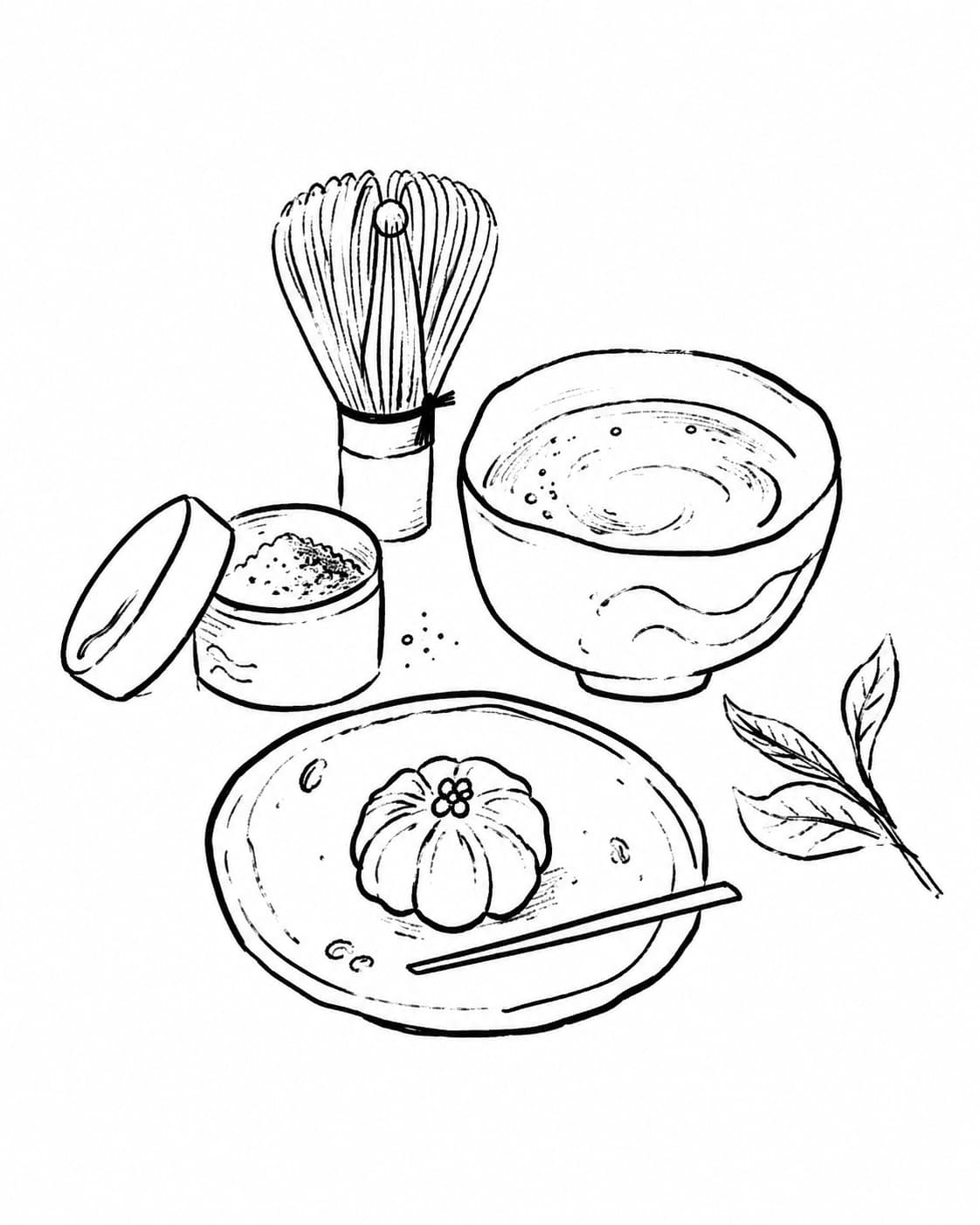
Your first experience with matcha probably wasn't a pleasant one. Perhaps it tasted like freshly cut grass, or a bitter concoction that required three pumps of vanilla syrup just to make it drinkable. It's no surprise that many people associate matcha with bitterness, but should matcha actually taste this way?
The short answer is yes, to an extent. Bitterness is a natural characteristic of tea, but it shouldn't be the only thing you taste. A good matcha has a balance of umami, sweetness, astringency, and bitterness. Understanding where these flavours come from is the first step towards appreciating what you're drinking.
Where does the bitterness come from?
Like all true teas, matcha comes from the Camellia sinensis plant. Within its leaves are naturally occurring compounds called catechins, which contribute to the bitterness and astringency we associate with green tea.
However, matcha is grown differently from most other teas. In the weeks leading up to harvest, tea plants intended for matcha are shaded to reduce their exposure to sunlight. This helps preserve amino acids such as L-theanine, which contribute to matcha's savoury umami character.
The result is a tea that can be naturally sweet, savoury, and pleasantly bitter all at once. When these flavours exist in harmony, bitterness becomes part of the experience rather than something you need to cover up.
Does expensive matcha mean less bitterness?
Not necessarily. It's easy to assume that the more expensive your matcha is, the sweeter and smoother it'll taste. While higher quality matcha often has less harsh astringency, price alone doesn't determine its flavour.
Cultivar, region, harvest, and processing all play a part. Some cultivars produce a pronounced umami flavour, while others lean towards floral, nutty, or vegetal notes. Even two matchas grown in the same region can taste remarkably different.
This is also why we don't believe there's a single best matcha for everyone. Someone who enjoys a rich, seaweedy matcha might find a lighter, more aromatic one underwhelming. Ultimately, quality and personal preference are two different conversations.
Are you brewing your matcha correctly?
Before blaming your matcha, consider how you're preparing it. Water temperature, powder-to-water ratio, and even the way you whisk can change your experience.
Water temperature
Boiling water isn't necessary for matcha. While hotter water can bring out stronger flavours, it may also accentuate bitterness and astringency. We recommend starting around 70–80°C and experimenting from there.
Matcha-to-water ratio
Using too much powder with too little water can create an overwhelmingly intense bowl. For a typical usucha, or thin tea, start with approximately 2 grams of matcha to 60–70ml of water. Adjust according to your preference.
Freshness
Matcha is sensitive to oxygen, heat, and light. Once opened, its delicate aromas gradually fade, and the flavour can become duller and less pleasant. Keeping your matcha properly sealed and stored is just as important as knowing how to prepare it.
So what should good matcha taste like?
There's no universal answer, and that's what makes matcha interesting.
Some matchas are creamy and nutty, others are intensely savoury with a lingering sweetness. You might encounter notes of seaweed, toasted nuts, flowers, or fresh vegetables. Bitterness can exist in all of them, but it shouldn't completely overwhelm the other flavours.
The next time you drink matcha, try having it without milk or sugar first. Pay attention to the initial taste, how it develops in your mouth, and what remains after you swallow. You might be surprised by how much there is to discover beyond that first bitter impression.
At Cafe Gyoen, we believe appreciating matcha begins with understanding your own palate. That's why we offer a matcha flight, allowing you to experience three different regions of Japan side by side. After all, the best matcha isn't necessarily the most expensive one. It's the one you enjoy drinking.
Discover your matcha
Visit Cafe Gyoen at 87 Club Street, Singapore, and explore our matcha flight. Taste three regions side by side, discover your preferred flavour profile, and find a matcha worth slowing down for.