
Cultivar, grind, region, harvest, and storage — practical tips for buying real matcha online, from Cafe Gyoen on Club Street.
Matcha / Buying guide / Cultivar / Uji / Singapore
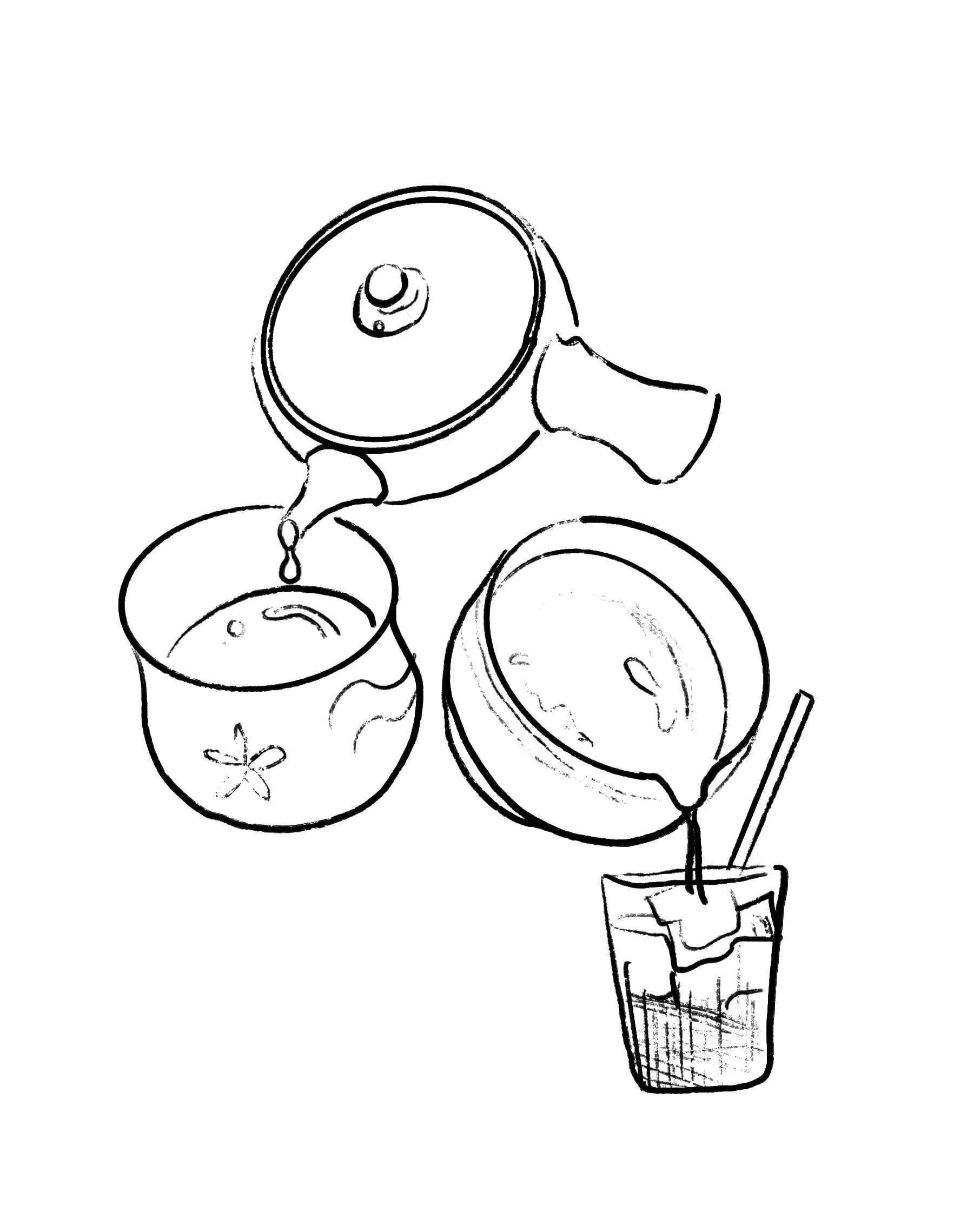
Like anything in the world, the journey to appreciating a higher quality matcha can be a treacherous one with its ups and downs. Your first introduction to matcha was most likely a white chocolate dessert infused with matcha, or a Starbucks frappé laden with sugar and creamers. To get to the good stuff, you'll have to dig deep into the trenches of the gatekeepers, who spend their hours gloating about their finds without revealing their purchase location. Thankfully for you, we've done the legwork, so you only need to visit us at our flagship store – Cafe Gyoen Matcha Bar, 87 Club Street – to experience what real matcha is. And if that's too inaccessible for you at this time, here are some tips to purchasing matcha online.
So how can we tell if the matcha you are buying online is actually good?
There are many descriptive traits of what matcha is; what cultivar, colour, how it's milled, where it's grown, and so on. One thing to note is that not every trait is an indicator of high quality matcha. Despite this, it can still describe the general flavour profile and help you make a decision.
Cultivar
Get chummy with your favourite cultivars. There are over 200 registered cultivars, but Okumidori, Yabukita, and Saemidori are well-known ones. Each has its own trait, be it colour or flavour.
Type of grind
Traditional stone milling is extremely slow, but yields a particle size that feels silky like baby powder. Since it's so time-consuming, farmers wouldn't normally choose stone-grinding for lower grade matcha. However, with the advancement of technology, ball-milling is a great alternative that can produce excellent results with less time needed.
Region
Uji for seaweed flavours, Yame for nutty, and Shizuoka for sencha-like matcha. Despite Uji being the birthplace of matcha, its name is often lost in meaningless and unregulated marketing schemes. Additionally, since all these are unregulated, it means it's up to the brand to tell you where it's actually coming from.
Flavours
It would require more knowledge, research, and tons of matcha tasting in order to determine the flavours you desire. We guide our customers through our matcha flight, by letting them compare our different matchas side by side. Common descriptors sound like: Nutty, grassy, aromatic, floral, bitter, astringent, seaweedy, umami, salty, sharp.
Harvest
There's first, second, third, fourth harvest seasons for tea. While not always agreeable amongst different producers, culinary grade usually comes from the second harvest onwards. For the best flavours in usucha or koicha form, choose first harvest matcha. However, if you're mixing it with milk and sweeteners, you'd want to pick a "lower" grade, as they would cover the delicate flavours of first harvest matcha, and instead let stronger bitter notes shine through.
How should I store my matcha?
Matcha is sensitive to light, air, and heat. It should be stored in an airtight, opaque tin, in a cool and dark place. That's because of oxidisation and degradation of catechins and amino acids, compounds that make your matcha taste the way it does. Once opened, it should live in the fridge, closed tightly, and be used within a few weeks for the best flavour.
If you're in Singapore, we highly recommend you visit our dedicated cafe before purchasing anything. We offer a matcha flight that brings you on a journey through Japan, helping you experience three different regions of matcha side by side! Ultimately, you have to like what you drink.
Follow us on Instagram, where we share interviews with our farmers, share tips on how to brew a better cup of tea, and put up invitations for exclusive workshops by tea masters and purveyors in the industry.
Taste before you buy
Book a table or walk in at 87 Club Street and ask for the matcha flight — three regions, side by side, so you know what you like before you commit to a tin.
Keep reading

Questions about this story
Look beyond marketing buzzwords. Useful signals include cultivar, stone or careful milling, a named growing region, first-harvest for usucha or koicha, and honest flavour notes. Visit Cafe Gyoen for a matcha flight when you can — side-by-side tasting beats any product page.