
Blenders are faster — but hand whisking protects texture, flavour, and the quiet culture that makes matcha what it is.
Matcha / Chasen / Tea ceremony / How-to
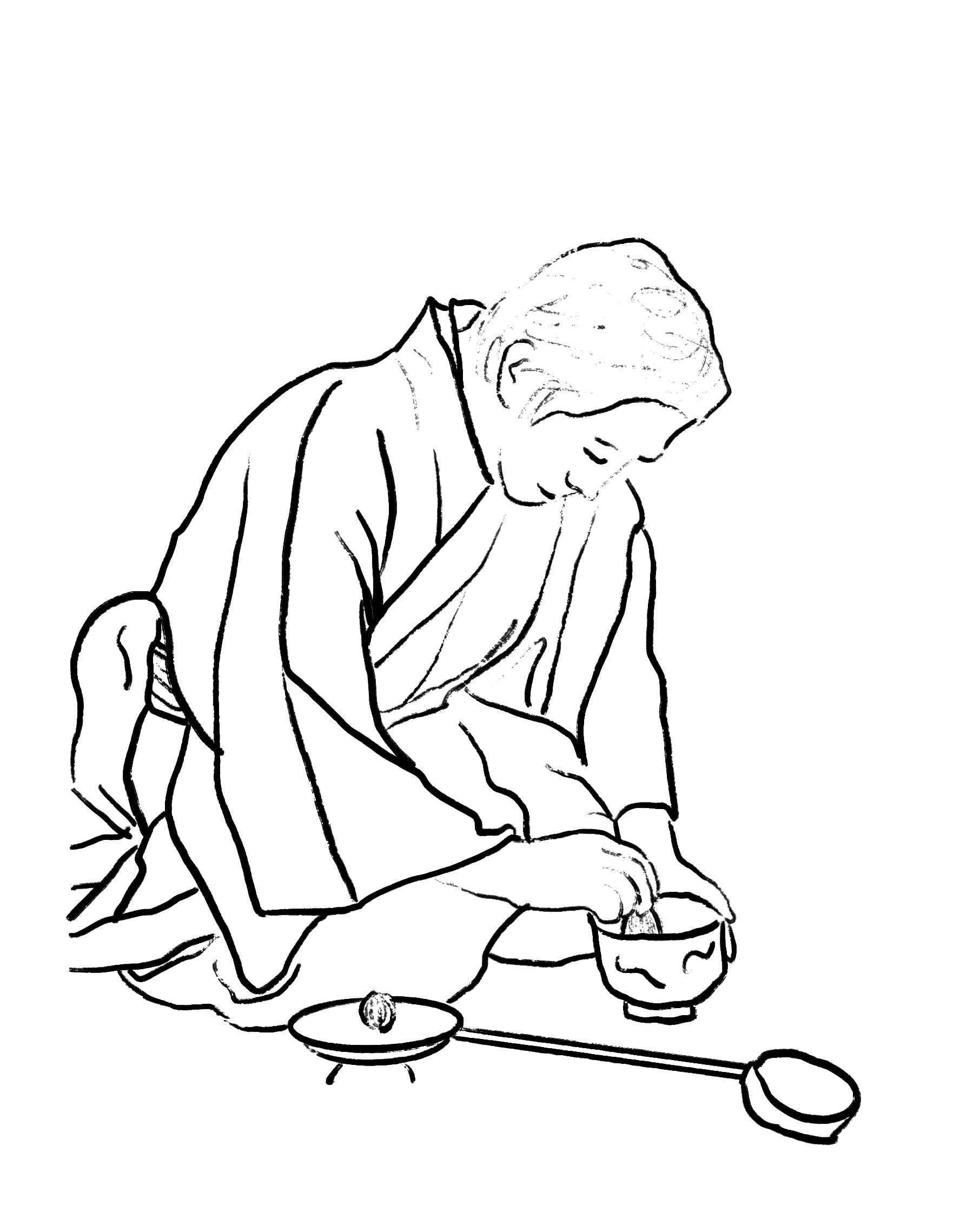
There's an easier way to prepare matcha. Use a blender, an electric whisk, or pre-make a syrup and store it in an ice bath. Faster, more consistent, with no difference in taste as some might claim. However, you're missing out on most of what makes matcha, matcha.
The significance of matcha
Before matcha became a drink on a menu in third wave coffee shops, it's important to honour the culture behind it. Tea ceremonies were created not only as a means to slow down, but to also promote peace during periods of war. Entering a traditional tea room through a small entrance ensured no swords and weapons could exist in that space, and matcha provided a form of mental clarity to forge strategic truces between warlords.
What we can learn from matcha
Our society exists in such a fast-paced world that slowing down becomes a kind of luxury. By practicing matcha in this way, you start to notice the tiny details that come with the focus and preparation of your drink. The beauty of it comes with the quiet of your mind, and the lowering of cortisol levels.
The true difference of whisking by hand
The art of matcha may not be the only thing you lose when you skip on hand whisking traditionally. Texture, oxidisation, and flavour could be things you compromise on for the sake of speed.
Have you ever over-whisked a matcha before? First you start with a beautiful layer of microfoam, only to then realise three minutes in that whisking becomes increasingly tedious to create foam. This happens with blenders too, it's just that you're not in control and everything happens a whole lot quicker. This quick method of aeration increases the rate of oxidisation, and produces large bubbles that collapse quickly, and can't give you the same result as a silky microfoam from a chasen.
Additionally, batching reduces the attention to detail. A trained matcha barista adapts to every bowl of matcha, and pays close attention from the water to the ice in the cup. Every minute it sits in a pre-batched bottle, you also lose more and more flavour to oxygen.
So yes, whisking by hand is slower and a blender could do it quicker, but you lose more than just the culture. Which is why we insist on whisking every bowl by hand, a non-negotiable that forces us to slow down. And maybe that's the point.
Watch it at the bar
Every bowl at Cafe Gyoen is whisked by hand. Ask the team about the chasen motion next time you're on Club Street.
Keep reading
Questions about this story
Yes. Fast aeration from blenders or electric whisks increases oxidisation and tends to make large bubbles that collapse quickly. A chasen builds silky microfoam with more control over texture and flavour.